
Hearing Loss Articles

What Is Ear Flushing or Ear Irrigation?

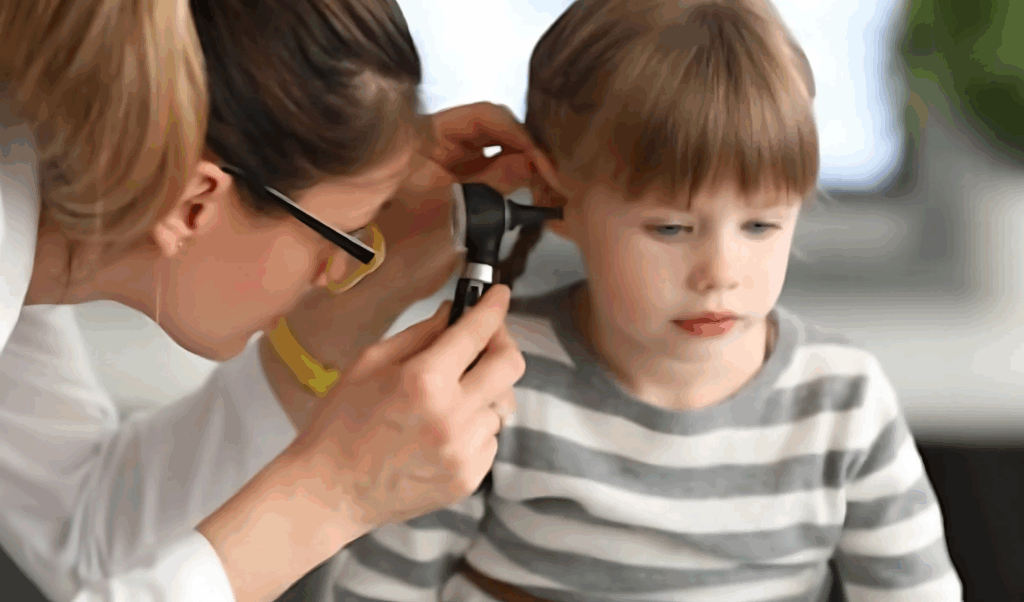
The body normally clears wax on its own, but sometimes it needs a little extra help. Ear flushing, also known as ear irrigation, is a common method used to remove earwax and other foreign objects from the ear canal. It involves directing a steady stream of warm water or saline solution into the outer ear canal to soften the wax and flush it out.

What Is Cognitive Decline and How Does It Affect Hearing?

Imagine forgetting the name of a loved one, struggling to follow a discussion, or losing track of familiar routines. Not just occasionally, but often enough to cause concern. As we age, these experiences can feel unsettling and are sometimes brushed off as “just getting older”. But what if there’s more to the story than memory alone? What if something as seemingly unrelated as your hearing plays a key role in how clearly your mind functions?

Cognitive Impairment: What You Should Know About Screening

It’s hard to tell the difference between harmless memory lapses and early signs of something more serious. As we age, it’s natural to wonder whether cognitive slips are just part of getting older or the beginning of cognitive decline. Thankfully, cognitive screening makes it easier to identify whether those changes are part of normal aging or early indicators of cognitive impairment.

How Long Is the Life of Hearing Aid Battery Types in Canada

The lifespan of your hearing aid batteries is important because it directly affects your hearing aid’s reliability and cost-efficiency. When you’re aware of how long they typically last, you can avoid sudden power loss and ensure consistent hearing support. This also helps you choose the right hearing aid batteries and know what to expect. Plus, think of how much money it can save you in the long run.

Hearing Loss From Concert: Prevention and Management Guide

We hate to break it to you, but concerts can damage your hearing. They can be thrilling experiences, but between the loud music, high-energy atmosphere, and excessive exposure to loud noise, these can all pose a real threat to your hearing health. We don’t mean to spoil your fun, but it’s important to understand the risks and take steps to protect your ears. This can help you enjoy live music for many years to come, without the lingering effects of ringing in the ears or permanent hearing loss.

Otoacoustic Emissions Test: What You Need To Know

Our ears produce tiny, nearly imperceptible echoes every time they respond to sound. These echoes are like a hidden conversation happening inside the cochlea, and they reveal whether the inner ear is healthy and working as it should. These subtle signals mainly help those who cannot communicate what they hear, such as newborns and young children. This is when an objective test becomes essential, one that doesn’t rely on hand-raising, button-pressing, or verbal feedback.

What Is Mixed Hearing Loss? Here’s What You Need To Know

In our earlier blog posts, we discussed the two most common types of hearing loss: conductive and sensorineural hearing loss. At the tip of the iceberg, we explained that both are categorized based on the area of the ear where the problem lies, with conductive hearing loss affecting the outer or middle ear and sensorineural hearing loss involving the inner ear or auditory nerve.

Mixed hearing loss is a complex condition that combines both of these types. Sometimes, conductive and sensorineural hearing loss occur simultaneously, where a person may have damage to the inner ear or nerve and then develop a conductive issue later, such as a middle ear infection.

Understanding how it develops, its symptoms, and how it’s treated can help you or your loved ones manage the condition more effectively. Here’s what you need to know.