
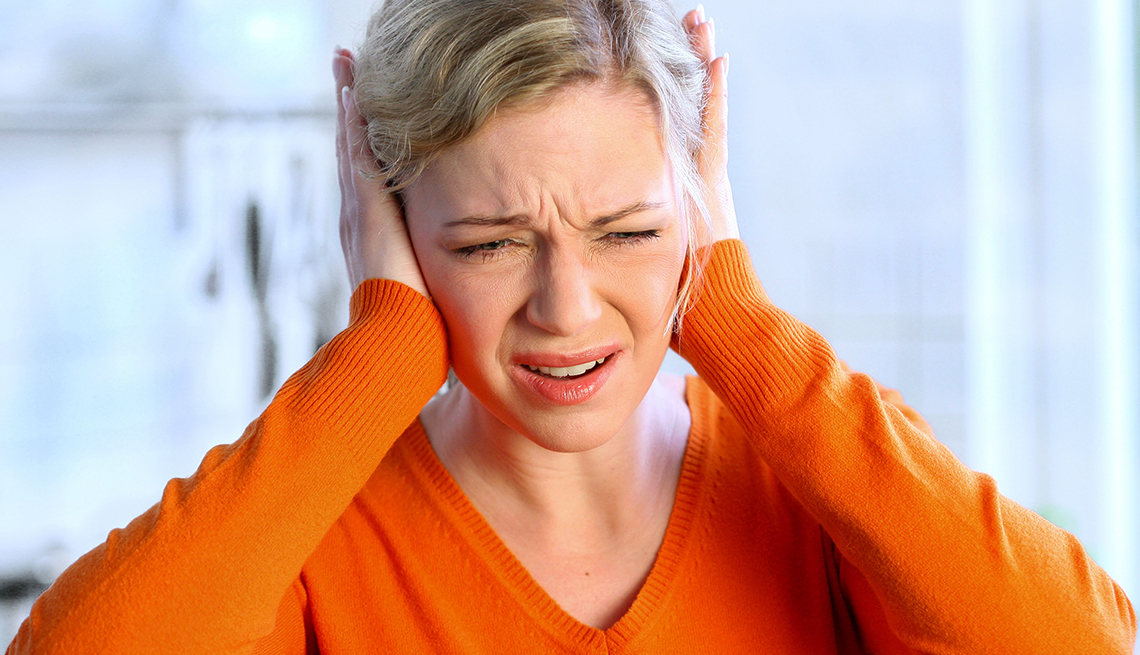

Good hearing is essential for effective communication, personal safety, and day-to-day functioning. Yet, many people overlook their hearing health until problems become harder to manage. While some changes in hearing are natural with age, many cases can be managed or improved with the right steps. This guide explains how to improve hearing, what causes hearing loss, and the practical options available, from lifestyle habits to hearing devices.
What Is Hearing Loss?
Hearing loss occurs when part of the ear or auditory system no longer processes sound waves effectively. It can affect one ear or both ears and may develop suddenly or gradually.
In 2022, about 1 in 20 Canadian adults (that’s more than 1.6 million people) reported a hearing disability. But when researchers used audiometric testing, the numbers told a different story: 40% of Canadians aged 20 to 79 showed at least mild high-frequency hearing loss.
Many don’t even realize it, especially when the loss is mild or affects only higher-pitched sounds. Hearing issues become more common with age and are seen more often in men. As Canada’s population continues to age, the number of people living with hearing loss is expected to rise.
There are several types of hearing loss:
Sensorineural hearing loss: Caused by damage to the inner ear’s tiny hair cells or the auditory nerve. This is the most common and often permanent.
Conductive hearing loss: Caused by blockages or issues in the outer ear or middle ear, such as earwax, ear infections, or fluid buildup. Learn how it differs from sensorineural hearing loss here.
Mixed hearing loss: A combination of both sensorineural and conductive factors. Learn more about it here.
Understanding the type of hearing loss helps guide the right treatment and improve quality of life.
What Are the Common Causes of Hearing loss?
Hearing problems have multiple causes that can impair or dull hearing, including:
Long-term exposure to loud noises, such as concerts, workplaces, or headphones at high volume
Repeated ear infections/damage in the middle ear
Earwax blockage
Health issues such as infections or reduced blood flow to the inner ear
Other communication disorders or health issues, such as head injuries
Age-Related Hearing Loss Explained
Age-related hearing loss (presbycusis) is common in older adults. It usually affects both ears and develops slowly over time. People with presbycusis often struggle with background noise, miss higher-pitched sounds like birds chirping, and feel that others are mumbling.
This condition stems from natural changes in the inner ear and reduced blood flow, leading to damaged hair cells. While it cannot be reversed, treatments such as hearing aids or cochlear implants, combined with good hearing care, can improve hearing health.
How to Recognize Hearing Loss Symptoms?
Early detection is vital. Many people adjust to impaired hearing without realizing how much they miss. Recognizing loss symptoms helps prevent hearing impairment from worsening.
What Are the Early Warning Signs to Watch for?
Some symptoms may seem minor at first, but point to underlying hearing problems:
Frequently asking others to repeat themselves
Difficulty following conversations, especially in background noise
Increasing the TV, radio, or phone volume higher than others prefer
Hearing better from one ear than the other
Feeling exhausted after long conversations because of the extra effort to listen
Withdrawing from social gatherings due to difficulty hearing in groups
Even mild hearing loss can interfere with communication and daily activities. Over time, straining to hear can also contribute to stress, fatigue, and a loss of confidence in social or work settings.
When to Seek Professional Help
Not all hearing issues are gradual. Some require urgent attention. You should see a healthcare professional if you:
Experience sudden deafness in one ear or both ears
Have frequent ear infections or persistent ear pain
Notice constant ringing, buzzing, or hissing sounds (tinnitus)
Feel your hearing loss is affecting relationships, work, or daily life
How a Hearing Test Can Help
A hearing test is the first step toward understanding your hearing health. Many people live with hearing issues without realizing how much they’re missing, especially when the loss is mild or gradual. At Bloor Hearing Clinic, our specialists use diagnostic tools to detect even subtle changes in your hearing. A test not only confirms if you have hearing loss but also helps guide the best next steps for your care.
What to Expect During a Hearing Test?
A hearing test is painless and usually takes less than an hour. An audiologist plays sounds at different pitches and volume levels through headphones. You’ll signal when you hear them. This checks your ability to detect sound waves and identify types of hearing loss. Other exams may involve checking the middle ear for fluid or measuring the response to speech in background noise.
How Results Guide Treatment Options
Results from hearing tests determine whether the issue is mild hearing loss, moderate, severe, or profound hearing loss. They also show whether it’s sensorineural, conductive, or mixed. With this information, your healthcare professional can suggest:
Hearing aids for mild to severe loss
Cochlear implants for profound hearing loss
Medical treatment for ear infections or earwax blockage
Hearing protection strategies if noise-induced hearing loss is suspected
Practical Steps to Improve Your Hearing
Daily habits can significantly impact hearing health. While some types of hearing loss can’t be reversed, these steps help slow progression and keep your ears in better shape:
Protect your ears: Wear earplugs or noise-canceling headphones in noisy environments like concerts, job sites, or when using power tools.
Lower the volume: Follow the 60/60 rule; listen at no more than 60% volume for no longer than 60 minutes at a time.
Avoid cotton swabs: Clean only the outer ears with a soft cloth; pushing objects into the ear canal can cause damage.
Stay healthy: Regular exercise improves blood flow to the inner ear, while a balanced diet with nutrients like folic acid supports hearing health.
Manage stress: High stress can worsen tinnitus and listening fatigue. Relaxation techniques such as meditation or yoga may help.
Check in regularly: Schedule hearing tests to catch problems early and keep track of your hearing health.
These small adjustments support better hearing and overall well-being, helping you stay connected in everyday life.
Managing Ear Infections for Better Hearing Health
Prompt treatment of an ear infection prevents damage to the middle ear and reduces the risk of long-term hearing impairment. Chronic infections may require medical treatment from an ENT specialist. Leaving infections untreated can lead to permanent hearing issues.
Hearing Aids, Implants, and Long-Term Care
Technology offers effective ways to improve hearing and communication. Let’s discuss them below.
Choosing the Right Hearing Aid
The most common are hearing aids, which amplify sounds and make conversations easier. Options include:
Behind-the-ear (BTE): Durable, adjustable, and suitable for different levels of hearing loss
In-the-ear (ITE): Custom-fitted and discreet
Digital aids: Advanced processing that reduces background noise for clearer listening
Cochlear implants may help with profound hearing loss. While these are performed by specialized medical centers, your hearing test at Bloor can help determine whether a referral may be appropriate.
Sound therapy is sometimes used as part of tinnitus management, but its effectiveness varies. At Bloor, we provide tinnitus assessments and management strategies tailored to individual needs.
Caring for Your Hearing Long-Term
Hearing support isn’t a one-time fix. It requires ongoing care. A few practical steps include:
Using hearing protection in loud environments
Taking breaks from constant noise exposure
Staying active to improve blood flow, which benefits the auditory system
Managing health conditions like diabetes or heart disease can affect hearing
Regular check-ups with a hearing specialist are essential. Hearing loss often progresses gradually, and making early adjustments to hearing aids or other treatments can make a significant difference.
Additional Considerations
If you notice signs of hearing loss, consult a specialist to rule out underlying causes. Some studies have explored supplements such as magnesium, zinc, or vitamin B12 in relation to hearing, but evidence is limited. Always consult a qualified healthcare provider before trying supplements.
Final Thoughts
Research in audiology continues to evolve, with improvements in digital devices, implant technology, and approaches to hearing care. These developments provide more options for managing hearing difficulties and maintaining communication. If you have concerns about your hearing, a professional hearing test at Bloor Hearing Clinic is a safe first step. Our team can help identify your needs and guide you toward the most appropriate care or referral if needed.