
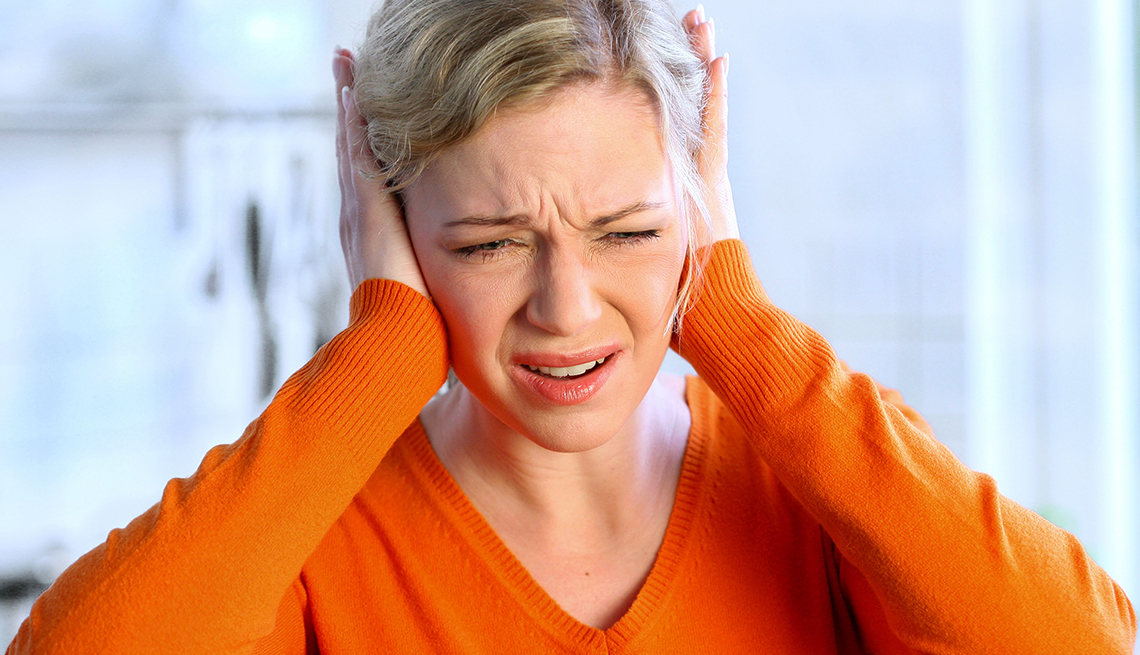
Most people think of noise as a daily inconvenience: traffic, construction, or a loud concert. However, in certain workplaces, it becomes a serious health hazard. The difference between tolerable noise and damaging noise is not always obvious, yet the effects on the ear can be permanent.
Protecting your hearing is a critical part of workplace safety, especially in industries where workers face prolonged exposure to loud noise. A single hearing protection device, such as earplugs or earmuffs, may be enough in many situations. However, there are environments where that level of safety falls short. In those cases, double hearing protection becomes necessary.
What Is Double Hearing Protection?
Double hearing protection—sometimes called dual hearing protection—occurs when workers wear two hearing protection devices at the same time, typically earplugs and earmuffs. The idea is to layer one form of protection over another to reduce sound waves entering the ear canal, lowering the risk of noise-induced hearing loss.
Why Workers May Need Extra Protection Devices
For workers in high-risk environments like mines, factories, or airfields, sound becomes a force powerful enough to cause irreversible harm unless the right safeguards are in place. Relying on a singular hearing protection device may not provide adequate protection against extremely high noise levels.
For example, heavy machinery, blasting operations, or industrial turbines often exceed the maximum noise reduction rating (NRR) of a single device. In such cases, wearing double protection translates into greater safety. This practice ensures that workers’ exposure stays below occupational exposure limits, protecting long-term hearing health.
Noise Exposure and Its Impact on Hearing
Noise is one of the most common workplace hazards in construction, mining, manufacturing, and other industries. Understanding how sound affects the ear highlights why double hearing protection is sometimes required.
How Noise Exposure Affects the Inner Ear
Excessive sound waves can damage the delicate hair cells in the inner ear. These cells are responsible for converting vibrations into signals that the brain interprets as sound. Once damaged, they do not regenerate, leading to permanent hearing loss.
The Link Between Noise Exposure and Noise-Induced Hearing Loss
About 1.3 billion people worldwide live with hearing loss from noise exposure, with workplace noise accounting for around 16% of severe adult cases. It ultimately leads to a significant long-term disability.
Noise-induced hearing loss develops gradually from prolonged exposure to harmful noise levels. Workers might miss warning sounds or develop tinnitus. A well-structured hearing conservation program and proper hearing protectors help reduce these risks.
Occupational Health and Safety Standards
Safety regulations help protect workers from excessive noise. Standards highlight when double hearing protection is required.
Role of Occupational Health and Safety Regulations
Agencies and workplace health and safety committees oversee occupational health and safety to ensure companies implement proper control measures. These include engineering controls, administrative controls, and personal protection devices. If noise cannot be reduced through controls, hearing protectors become the last line of defense.
Health Administration Guidelines on Noise Exposure Limits
The U.S. Occupational Safety and Health Administration (OSHA) sets the occupational noise exposure limit at 90 dBA for an 8-hour shift. The National Institute for Occupational Safety and Health (NIOSH) recommends stricter limits—85 dBA over the same period. When exposure exceeds 100 dBA, guidelines typically recommend wearing double protection to ensure adequate protection. In some industries, like mining, it becomes mandatory once levels exceed 105 dBA. This is because a single device may not block enough sound to prevent damage. Employers should make sure the devices fit properly and also consider how wearing two protectors might affect a worker’s ability to hear important warning sounds.
➡️ Note: In Canada, occupational noise standards are regulated provincially, but the principles remain similar. Double hearing protection is generally recommended when exposure exceeds safe limits. |
When to Use Double Hearing Protection?
NIOSH guidelines recommend using double hearing protection whenever the time-weighted average (TWA) noise level reaches 100 dBA or higher. Specific industries may have stricter requirements:
Mining (MSHA): Dual protection (earplugs + earmuffs) is required when exposures exceed 105 dBA TWA.
General Industry (OSHA):
85 dBA TWA – Hearing conservation program required
90 dBA TWA – Engineering controls must be in place
100 dBA+ – Double protection is used when a single device is not enough
How double protection works:
Combines earplugs and earmuffs for greater attenuation
Provides a higher protection level than a single device
Requires fit-testing to confirm the expected noise reduction rating is achieved
Here are key considerations:
Situational awareness – Wearing two devices can make it harder to hear alarms or warning sounds.
Comfort and fit – Poorly fitted devices may cause discomfort, leading workers to remove them.
Industry-specific needs – Rules vary across sectors and regulatory bodies.
In short, workers should wear double hearing protection whenever noise monitoring shows that one device cannot keep exposure within safe limits.
Common Work Environments That Require Double Hearing Protection
The following environments generate sound that a single hearing protection device cannot adequately block, so wearing double protection is mandatory.
Mining operations where blasting and drilling create extreme noise.
Aviation and turbine maintenance, with sound levels often over 100 dBA.
Construction and demolition sites with heavy equipment.
Oil and gas operations involving compressors or drilling rigs.
Manufacturing plants with stamping or forging machines.
Sound Level Thresholds That Trigger Additional Protection
Calculating double protection dBA isn’t as simple as adding the NRR of both devices. OSHA recommends adding 5 dB to the higher-rated hearing device’s NRR when using two devices together. This adjustment accounts for overlapping protection and avoids overestimating the protection level.
Choosing the Right Hearing Protectors
Selecting hearing protection devices requires careful consideration. Below are the types of hearing protection devices used together:
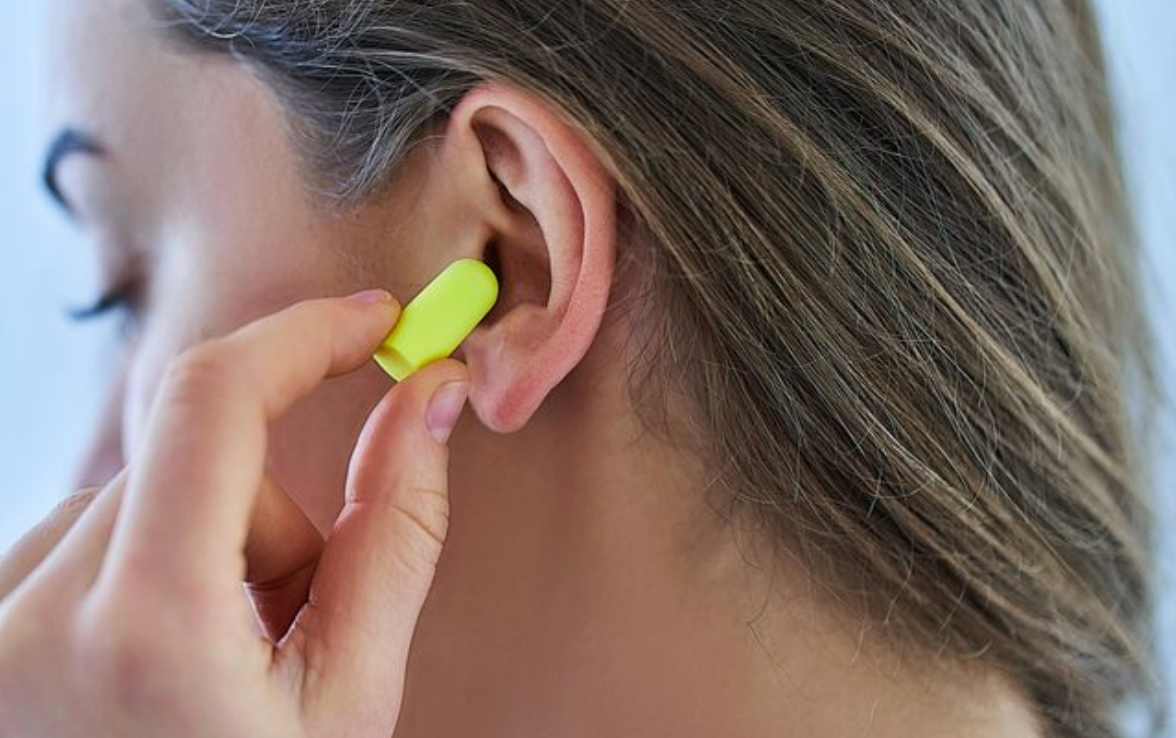
Earplugs (foam or custom-fit) paired with ear muffs are the most common dual setup.
Specialized high noise reduction rating ear muffs combined with plugs.
In rare cases, canal caps paired with muffs may be used.
It also helps to consider the following factors when selecting double hearing protection:
The highest noise reduction rating achievable for the environment
Comfort during long shifts to encourage consistent use
Ability to still hear warning signs and alarms safely
Integration with helmets or other personal protective equipment
Input from the health and safety committee to align with a loss prevention program management strategy
Best Practices for Safe Noise Protection
Ensuring safety involves more than simply handing out hearing protectors—it requires ongoing training and monitoring. Workers must learn how to insert earplugs correctly and wear ear muffs securely. A poorly fitted single hearing protection device reduces effectiveness, making double protection less reliable. Regular refresher training strengthens compliance.
Routine noise monitoring also plays an important role in checking whether control measures are effective. A strong hearing conservation program should include periodic audiometric testing to track workers’ hearing health. This makes it possible to detect hearing loss early and adjust occupational safety practices before problems become disabling.
Workplaces or individuals concerned about noise exposure may benefit from consulting a qualified hearing professional. Audiology services in Toronto, like Bloor Hearing Clinic, offer hearing assessments and can advise on appropriate protective devices.
Conclusion
So, when is double hearing protection required? The answer lies in situations where loud noise surpasses what a single hearing protection device can safely handle. Environments with sound levels above 100 dBA often demand dual protection to protect general industry workers. Following the occupational health and safety regulations, choosing the right hearing protectors, and maintaining a solid hearing conservation program effectively reduce noise risks and safeguard long-term hearing health.