
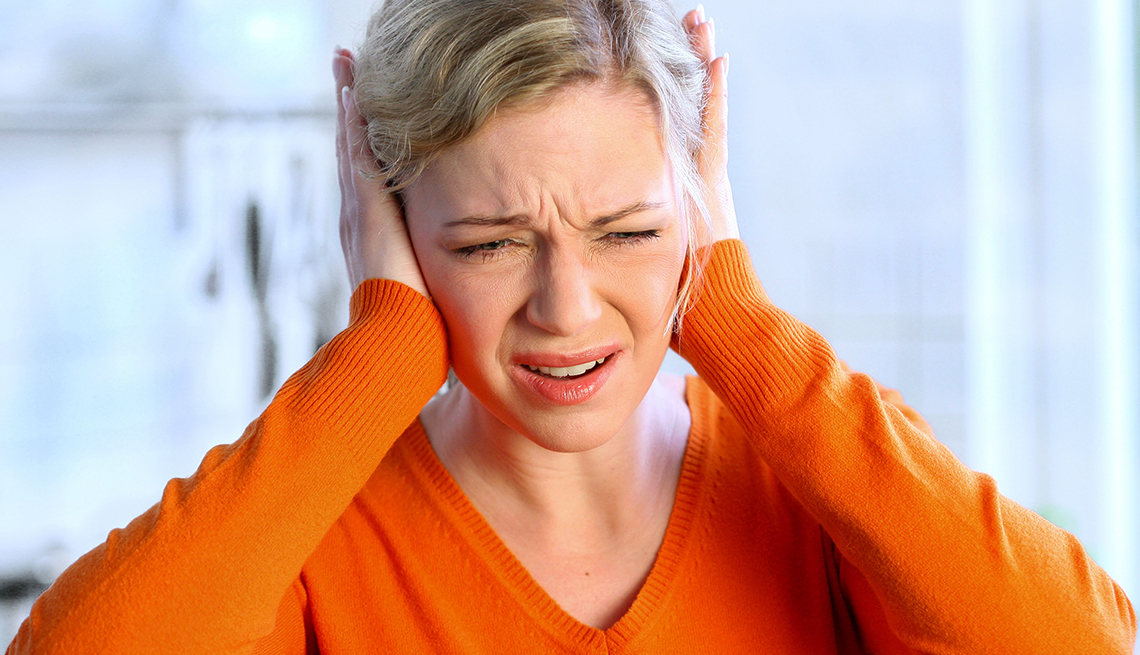

Have you started asking people to repeat themselves more often? Do conversations sound clear in quiet rooms but become difficult in social settings? If so, you may be wondering, “Do I need a hearing aid?”
Changes in hearing usually happen little by little, so many people don’t notice them early. At first, it’s easy to assume that others are mumbling or blaming background noise instead of recognizing changes in their own hearing. Over time, these small frustrations can begin affecting communication, work, and social activities.
While these symptoms don’t automatically mean you need hearing aids, they are good reasons to schedule a professional hearing evaluation or book a hearing test. This can determine whether your hearing has changed, identify the type and degree of hearing loss, and help you decide on what to do next.
If any of these situations sound familiar, it may be time to have your hearing checked and seek answers.
What Are the Early Signs of Hearing Loss?
The early signs of hearing loss are often subtle. In many cases, you’re still able to hear sounds, but understanding speech becomes more difficult, especially in busy crowds. These changes can happen slowly over several years, which is why family members or friends sometimes recognize the problem before you do.
For a broader overview of hearing changes, read our guide to the common signs of hearing loss.
1. Often Asking People to Repeat Themselves
Needing someone to repeat themselves on a regular basis is often one of the most common symptoms of hearing loss. At first, this may only happen in noisy places. Over time, it may become common during everyday conversations, phone calls, or meetings.
Many people don’t realize they’re missing certain speech sounds rather than entire sentences. As a result, they may understand part of a conversation but miss important words, making speech seem unclear.
2. Conversations Sound Muffled or Unclear
Do people sound like they’re speaking clearly, but you still can’t make out every word? This is another common sign of hearing loss.
Rather than sounding quieter, speech may seem muffled or lack clarity. You might hear someone talking but struggle to distinguish similar-sounding words, especially if multiple people are speaking.
This happens because hearing loss often affects certain sound frequencies more than others. High-frequency speech sounds, such as “s,” “f,” or “th,” can become more difficult to hear, reducing speech clarity even when overall volume seems adequate.
3. Struggling to Hear in Crowded Rooms
Hearing difficulty is much easier to notice and recognize in places with background noise. Restaurants, family gatherings, shopping centers, and group conversations require your brain to separate speech from surrounding sounds. Even mild hearing loss signs can make this much harder.
If you avoid busy restaurants because conversations have become frustrating or find yourself nodding along instead of participating, your hearing may have changed.
4. Difficulty Hearing High-Pitched Voices
Not all hearing loss affects every sound equally. Age-related hearing loss often begins with higher frequencies, making women’s voices, children’s voices, birds chirping, or electronic alerts more difficult to hear.
You may also notice yourself confusing similar words because you’re missing softer speech sounds that help distinguish them.
Although this change can develop gradually, it shouldn’t automatically be assumed to be a normal part of aging. A hearing test can determine whether hearing loss is contributing to these difficulties.
5. Actively Avoiding Social Interactions
Hearing loss affects more than your ears; it can also affect your confidence in social situations.
When conversations become difficult to follow, many people begin declining invitations, participating less in group discussions, or avoiding noisy environments altogether. This isn’t because they no longer enjoy spending time with others. Instead, listening becomes mentally exhausting.
6. Ringing in the Ears With No Outside Source
Tinnitus is the perception of sounds such as ringing, buzzing, humming, or hissing when there isn’t an external source. Although it doesn’t always mean you have hearing loss, the two often occur together. Some may notice tinnitus before recognizing changes in their hearing, while others experience both symptoms at the same time.
About one in three Canadian adults experiences tinnitus, and for roughly 7%, the symptoms are severe enough to disrupt sleep, affect mood, and impact daily life. Since hearing loss is closely linked to tinnitus, people with both conditions are twice as likely to use hearing aids as those with hearing loss alone.
Tinnitus can have several causes, so it’s important to have it assessed rather than assuming it’s harmless—especially if it develops suddenly, affects only one ear, or becomes increasingly bothersome.
7. People Noticing Hearing Loss Signs Before You Do
It’s common for family members to recognize hearing changes before the person experiencing them. Perhaps your spouse keeps mentioning that the television is too loud, or your children say you’ve started asking them to repeat themselves more often.
Hearing loss usually develops gradually; your brain adapts over time, making it difficult to notice small changes yourself. If multiple people have commented on your hearing, it’s worth taking those observations seriously. A professional hearing test can provide clear answers and determine whether hearing loss is present.
Do These Signs Always Mean You Need a Hearing Aid?
Although these are common signs you need a hearing aid, they don’t automatically mean hearing aids are the right solution. Several conditions can cause temporary or treatable hearing problems, including:
- Earwax buildup
- Ear infections
- Fluid behind the eardrum
- Certain medications
- Temporary hearing changes after illness or loud noise exposure
There are also different types of hearing loss, each with its own causes and treatment options. Some people benefit from medical treatment, while others may be candidates for hearing aids.
Learn more about the different types of hearing loss before deciding on treatment.
When Should You See an Audiologist?
You don’t have to wait until hearing becomes a major problem before seeking help.
Consider scheduling a hearing evaluation if:
- You’re regularly asking people to repeat themselves.
- Conversations sound muffled.
- You struggle to hear in noisy environments.
- Family members have noticed changes in your hearing.
- Tinnitus is interfering with your daily life.
- Hearing difficulties are affecting work or social activities.
Prompt assessment by a healthcare professional is appropriate if you experience sudden hearing loss, hearing loss in one ear, ear pain, ear drainage, or persistent dizziness. These symptoms may indicate a medical condition that requires immediate attention.
During a comprehensive hearing evaluation, an audiologist will assess your hearing, explain the results, and discuss whether hearing aids or another treatment may be appropriate for your situation.
A Quick Checklist: Do You Need a Hearing Aid?
This checklist can help you decide whether it’s time to schedule a hearing evaluation.
Ask yourself the following questions:
- Do I often ask people to repeat themselves?
- Do conversations sound muffled, even when others seem to hear them clearly?
- Do I struggle to follow conversations in restaurants or other noisy places?
- Have I been turning up the TV, phone, or radio volume more than before?
- Do I have trouble hearing women’s or children’s voices?
- Have family or friends commented that I may not be hearing well?
- Do I experience ringing or buzzing in my ears?
- Have I started avoiding social situations because conversations are difficult?
Keep in mind that this checklist isn’t a diagnosis. Only a comprehensive hearing test can determine whether you have hearing loss, identify its cause, and determine whether hearing aids are likely to help.
If hearing aids are recommended, your audiologist can explain the available hearing aid options and help you choose a device based on your hearing needs, lifestyle, and personal preferences.
Early evaluation can help identify the cause of hearing changes and provide appropriate treatment options when needed.
Frequently Asked Questions About Hearing Aids
How do I know if I really need a hearing aid?
The only way to know for sure is through a professional hearing evaluation. While symptoms such as difficulty following conversations or frequent requests for repetition may suggest hearing loss, they don’t necessarily mean hearing aids are necessary. Your audiologist will assess your hearing and recommend the most appropriate treatment based on your results.
Can mild hearing loss benefit from hearing aids?
Yes, in some cases. Hearing aids aren’t only for severe hearing loss. If mild hearing loss signs are affecting your ability to communicate, participate in conversations, or enjoy everyday activities, hearing aids may improve your listening experience. Whether they’re appropriate depends on your hearing test results and individual needs.
Can hearing loss be caused by something other than aging?
Absolutely. Although age-related hearing loss is common, hearing changes can also result from prolonged noise exposure, ear infections, earwax buildup, certain medications, genetics, or underlying medical conditions. That’s why it’s important not to assume hearing loss is simply a normal part of getting older.
Will hearing aids restore my hearing to normal?
Hearing aids do not cure hearing loss or restore natural hearing. Instead, they amplify sounds to help make speech and everyday listening easier. The goal is to improve communication and reduce listening effort, not to return hearing to its previous level.
When to see an audiologist?
You should consider seeing an audiologist if you’ve noticed ongoing hearing difficulties, tinnitus, or changes that are affecting your daily life. You should also seek prompt medical attention if you experience sudden hearing loss, hearing loss in one ear, ear pain, drainage, or persistent dizziness.
Conclusion
Signs and symptoms alone can’t tell the whole story. A comprehensive hearing evaluation provides a clear picture of your hearing health and helps determine whether hearing aids, medical treatment, or another approach is most appropriate. If you’ve noticed changes in your hearing (or the people around you have), consider scheduling a hearing evaluation. This can help you better understand your hearing and address concerns before they become more disruptive.