
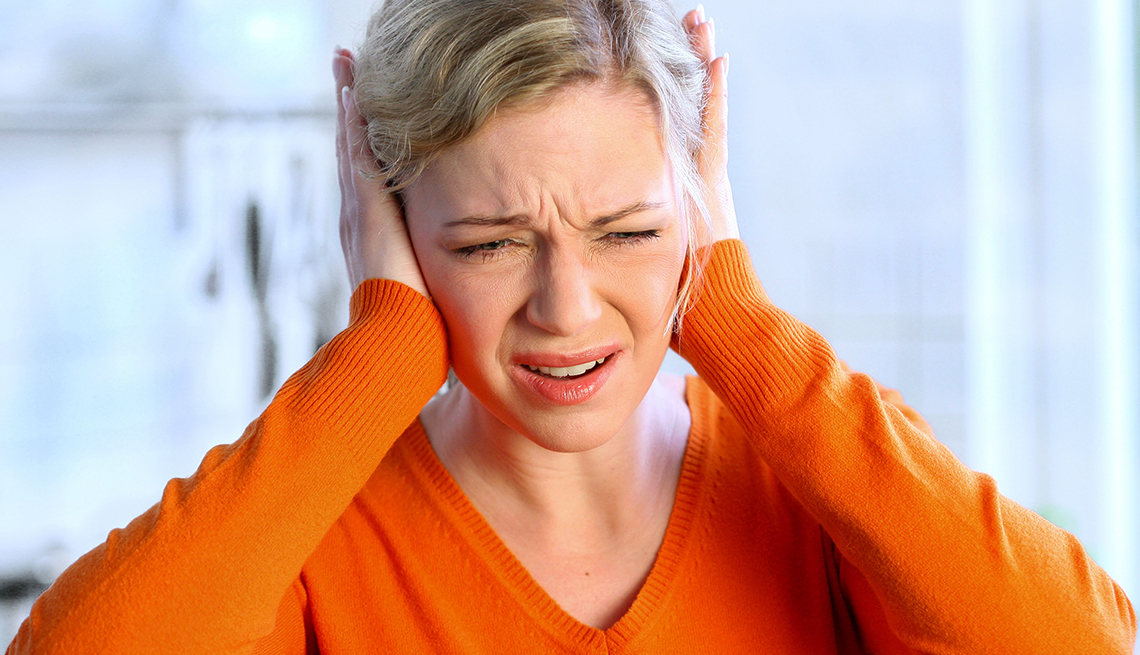

Hearing a ringing, buzzing, humming, or hissing sound that no one else can hear can be frustrating and sometimes concerning. This sensation is commonly known as tinnitus. While many people immediately search for ways to make the sound disappear, the first step is understanding why it is happening in the first place.
Tinnitus is not a disease itself. Instead, it is a symptom that can be linked to a variety of hearing and health conditions. Although there is no single cure for tinnitus, a variety of management approaches may help reduce its impact on daily life.
What Causes Ringing in the Ears?
Tinnitus can develop for several different reasons. Hearing loss is one of the leading causes. Researchers believe changes in hearing input may contribute to the perception of tinnitus in some individuals. This often appears as ringing, buzzing, or other phantom noises.
Exposure to loud sounds is another major contributor. Frequent exposure to concerts, power tools, industrial machinery, or loud music can damage delicate structures inside the inner ear. This damage may trigger tinnitus and, in some cases, permanent hearing loss.
Other potential causes include earwax buildup, ear infections, certain medications, head or neck injuries, jaw disorders, and circulatory conditions. Some medications, particularly those taken at high doses, have also been associated with tinnitus symptoms.
Tinnitus can have multiple causes, so identifying the underlying reason is often the most important part of finding effective relief.
Does Ringing in the Ears Immediately Mean Tinnitus?
Not necessarily. Temporary ringing in the ears can happen occasionally without indicating a chronic condition.
For example, many people notice ringing after attending a loud concert or sporting event. In these situations, the symptoms may fade within hours or days as the ears recover. Similarly, a temporary blockage caused by earwax or congestion may create ringing sensations that resolve once the issue is addressed.
However, tinnitus is generally diagnosed when sounds such as ringing, buzzing, or humming persist over time and are not caused by an external source. If symptoms continue, become more noticeable, or interfere with daily life, a professional evaluation is recommended.
Is Tinnitus Permanent?
Many people worry that tinnitus automatically means they will hear ringing forever. In reality, the answer depends on the underlying cause.
Some cases are temporary. Ringing related to short-term noise exposure, earwax blockage, or certain medical conditions may improve or disappear once the issue is resolved.
Other cases may become chronic, particularly when tinnitus is linked to permanent hearing damage or long-term hearing loss. Even when tinnitus does not disappear completely, many individuals learn to manage it effectively and significantly reduce its impact on daily life.
This distinction is important because chronic tinnitus does not necessarily mean constant suffering. Modern treatment and management approaches can often make the sound far less noticeable.
Tinnitus and Hearing Loss
There is a strong connection between tinnitus and hearing loss. In fact, many people who experience persistent tinnitus also have some degree of hearing impairment.
When hearing loss occurs, the brain receives less sound information from the ears. Researchers believe the brain may respond by increasing neural activity in certain hearing pathways, creating the perception of sounds that are not actually present.
This is why hearing aids often play an important role in tinnitus treatment. By improving access to environmental sounds and speech, hearing aids may reduce awareness of tinnitus by increasing access to environmental sounds.
Understanding the relationship between tinnitus and hearing loss is one reason hearing professionals often recommend evaluating the underlying hearing system rather than focusing only on the ringing itself. Learning about different types of hearing loss can provide valuable insight into why tinnitus develops in some individuals.
How to Stop Ringing in the Ears: Start With the Underlying Cause
Many people search online for a quick solution to stop ringing in the ears. Unfortunately, there is no universal cure that works for every case because tinnitus is a symptom rather than a single condition.
An important step is identifying and addressing the underlying cause whenever possible. If earwax buildup is contributing to symptoms, removing the blockage may help. If medication side effects are involved, medication-related concerns should be discussed with the prescribing healthcare provider. If hearing loss is present, hearing aids or other hearing solutions may provide relief.
A thorough evaluation helps determine whether the ringing is related to hearing changes, medical conditions, noise exposure, or other factors. Without understanding the root cause, it can be difficult to choose the most effective treatment strategy.
This is why professional assessment is often an important first step in tinnitus management.
Tinnitus Relief Options That May Help
Although there is no guaranteed cure, there are several tinnitus relief options that many people find helpful.
One of the most commonly recommended approaches is sound enrichment. Complete silence often makes tinnitus seem louder because there is no competing sound for the brain to focus on. Adding background noise through a fan, white noise machine, soft music, or nature sounds can make tinnitus less noticeable.
Hearing aids may also help individuals whose tinnitus is associated with hearing loss. By improving access to surrounding sounds, hearing aids can reduce the contrast between environmental noise and tinnitus.
Stress management is another important strategy. Research has shown that anxiety and stress can make tinnitus seem more intense. Many people find relief through relaxation techniques such as deep breathing exercises, meditation, mindfulness practices, or gentle yoga.
Lifestyle habits can also play a role. Some individuals notice that caffeine, alcohol, or nicotine increases the intensity of their symptoms. Reducing these potential triggers may help improve comfort.
There are also professional treatment options such as Cognitive Behavioral Therapy (CBT). CBT does not eliminate tinnitus, but it can help change how the brain responds to it, reducing emotional distress and improving quality of life.
Some individuals explore a variety of self-management strategies for tinnitus. Effectiveness varies, and evidence supporting certain techniques may be limited. Thus, it is important to discuss persistent symptoms with a qualified hearing professional.
Tinnitus Treatment Toronto: Professional Options Available
For persistent symptoms, professional care may provide more solutions than self-management alone. A tinnitus assessment typically begins with a detailed review of hearing health, medical history, and symptom patterns. This helps identify possible causes and determine whether additional testing is needed.
Treatment recommendations may include hearing aids, sound therapy programs, tinnitus retraining approaches, or counseling-based strategies. Modern hearing aids may include tinnitus support features that provide background sounds intended to make tinnitus less noticeable for some users.
Many clinics also offer personalized management plans tailored to an individual’s lifestyle, hearing needs, and symptom severity.
Patients looking for tinnitus treatment Toronto services often benefit from a structured evaluation process rather than relying solely on internet remedies. Professional support can help identify options that are appropriate for the specific cause of tinnitus.
Individuals seeking more personalized support can learn more about our tinnitus management service and the approaches available for ongoing symptom management.
Protecting Your Hearing to Prevent Tinnitus From Getting Worse
Preventing further hearing damage is one of the most important steps for people experiencing tinnitus.
Noise exposure remains one of the leading causes of both hearing loss and tinnitus. Frequent exposure to loud sounds can worsen symptoms over time and increase the risk of additional hearing damage.
Common high-risk environments include concerts, sporting events, construction sites, manufacturing facilities, workshops, and recreational activities involving loud equipment.
Using proper hearing protection helps reduce this risk. Earplugs and earmuffs can significantly reduce sound exposure while still allowing communication and awareness of surroundings.
People who work in noisy environments or frequently attend loud events should consider custom hearing protection solutions designed specifically for long-term comfort and effective noise reduction. Protecting hearing today may help prevent tinnitus from becoming more noticeable in the future.
Tinnitus Management Strategies for Daily Life
Long-term tinnitus management focuses on reducing the impact of symptoms rather than chasing a quick cure.
One helpful strategy is creating background sound during quiet periods. Many people find nighttime especially challenging because tinnitus becomes more noticeable when external noise decreases. Sound machines, fans, or low-volume audio can make falling asleep easier.
Stress management should also be part of any tinnitus management plan. Since anxiety can amplify tinnitus perception, activities that support relaxation may improve overall symptom control.
Maintaining healthy sleep habits is equally important. Fatigue often makes tinnitus more noticeable, while adequate rest may improve coping ability.
It is also helpful to develop realistic expectations. Successful tinnitus management does not always mean eliminating the sound completely. For many people, success means reducing awareness of tinnitus to the point where it no longer interferes significantly with daily life.
With time and proper support, many individuals find that tinnitus becomes much less disruptive than it initially seemed.
When Should You See a Hearing Professional?
While occasional ringing may not always require immediate attention, certain situations warrant prompt evaluation.
You should consider seeing a hearing professional if tinnitus persists for more than a few days, becomes increasingly noticeable, or begins affecting sleep, concentration, or emotional well-being.
Professional evaluation is especially important if tinnitus occurs alongside hearing loss. Changes in hearing may indicate an underlying condition that requires treatment.
You should also seek prompt attention if tinnitus is accompanied by dizziness, balance problems, ear pain, or sudden hearing changes. Sudden hearing loss combined with tinnitus is considered a medical concern and should be evaluated as soon as possible.
A full hearing assessment can help identify hearing loss, determine possible causes, and guide appropriate treatment recommendations. Early evaluation often leads to more effective management and greater peace of mind.
Conclusion
Tinnitus affects people differently. For some, it is an occasional annoyance. For others, it can become a daily distraction. The experience is highly individual, so the most useful approach is often to focus less on finding a universal solution and more on understanding the factors contributing to your own symptoms.
Although there is no universal cure for tinnitus, many treatment and management options are available. Sound therapy, hearing aids, stress-reduction techniques, hearing protection, and professional support can all help reduce the impact of symptoms. Management strategies may help reduce the impact of tinnitus on daily activities and overall quality of life.