
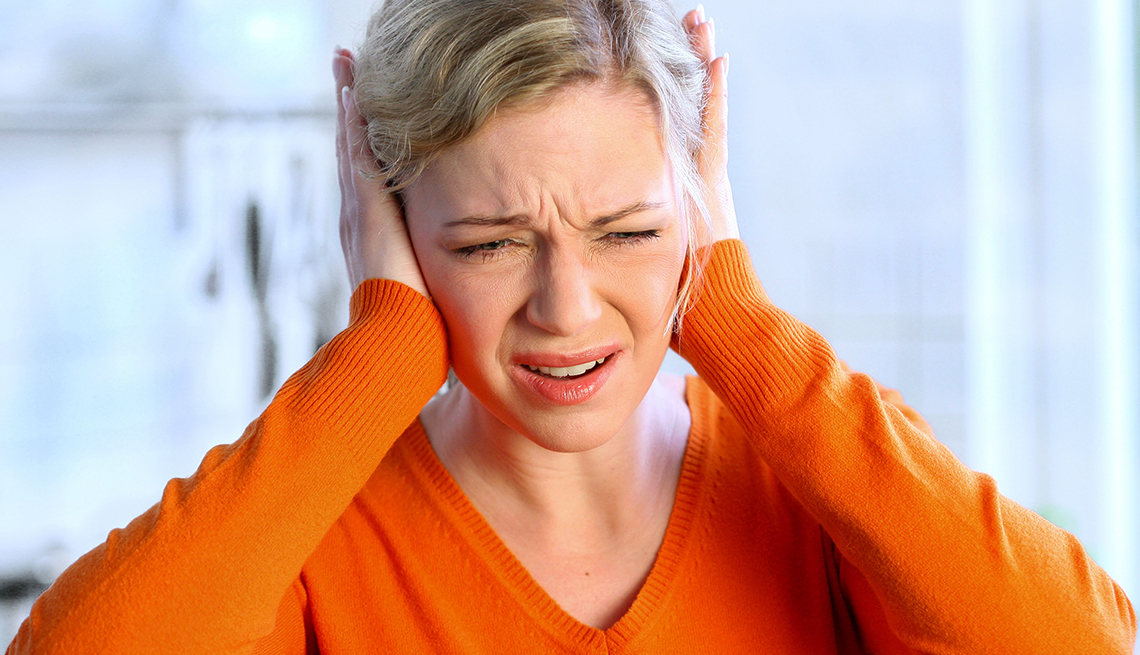

Dementia develops through a combination of genetic, medical, and lifestyle factors. While some risks cannot be changed, others can be managed. These are known as modifiable risk factors, and hearing loss is among the most significant identified by studies.
Current dementia prevention research identifies untreated hearing loss as one of the top modifiable risk factors for cognitive decline and dementia. This means hearing loss is one of the few risk factors that can often be identified and managed through appropriate hearing care.
While most age-related or noise-induced hearing loss cannot be cured or reversed, modern hearing technology can improve access to sound and support communication, and reduce the strain on your brain.
In this article, we’ll explore how hearing changes early and how seeking appropriate care can support overall cognitive health. Addressing hearing loss in midlife may help reduce one modifiable contributor to cognitive decline.
What Is the Link Between Hearing Loss and Dementia?
Many questions remain regarding the link between hearing loss and dementia. The relationship is likely influenced by several factors rather than a single cause. Hearing loss can make conversations more difficult, increase mental effort during listening, and lead some people to withdraw from social activities. Over time, these changes may contribute to poorer cognitive health.
Hearing loss is associated with a higher risk of cognitive decline
Several large studies have found that adults with untreated hearing loss are more likely to experience cognitive decline than those with normal hearing.
Hearing loss may increase the brain’s workload. Instead of efficiently processing and storing information, the brain must devote more resources to understanding speech. This added listening effort may leave fewer cognitive resources available for memory, attention, and other thinking skills.
Hearing loss can also make everyday communication more challenging. As conversations become harder to follow, some people begin participating less in social activities. This may further affect cognitive health over time.
Learn more about the relationship between hearing loss and cognitive decline and why early hearing care is important.
Hearing loss does not directly cause dementia
It’s important to understand what current research does (and does not) show.
Research has identified a strong association between hearing loss and dementia, but hearing loss has not been proven to directly cause dementia. Many factors contribute to dementia risk, including:
- Age
- Genetics
- cardiovascular health
- Education
- Lifestyle
Hearing loss is one piece of a much larger picture. For this reason, hearing loss should be viewed as a risk factor rather than a direct cause. Having hearing loss does not mean someone will develop dementia, just as having normal hearing does not guarantee they won’t.
Why hearing is considered a modifiable risk factor
Unlike factors such as age or genetics, hearing loss is considered modifiable because it can often be identified and treated. While treating hearing loss cannot eliminate dementia risk, addressing it early may help reduce one contributor to cognitive decline and improve quality of life.
Many people don’t realize their hearing has declined until communication becomes noticeably more difficult. Regular hearing evaluations can help identify changes earlier and allow appropriate intervention before they begin affecting daily life.
Why Can Untreated Hearing Loss Affect Brain Health?
One of the leading theories is known as cognitive load.
When hearing becomes more difficult, the brain has to work harder just to understand speech. Instead of effortlessly following a conversation, it spends additional mental energy filling in missing sounds and interpreting incomplete information.
Imagine trying to complete a puzzle with several pieces missing. Even if you eventually understand the conversation, it takes considerably more effort. Over time, this increased listening effort may leave fewer mental resources available for other cognitive tasks, such as remembering information or concentrating on what’s being said.
Another possible explanation involves reduced auditory stimulation. When the brain receives less sound information due to hearing loss, the regions involved in sound processing may become less active.
Social engagement may also play an important role.
People with untreated hearing loss sometimes avoid conversations, family gatherings, or community activities because communicating has become frustrating or exhausting. Reduced social interaction has itself been associated with poorer cognitive health, making it another possible pathway linking hearing loss and dementia.
It’s likely that these factors work together rather than independently.
Can Hearing Aids Help Protect Brain Health?
Treating hearing loss offers clear benefits for communication and quality of life. Although hearing aids are not a treatment for dementia, growing evidence suggests they may help reduce the impact of untreated hearing loss on cognitive function in some adults.
What current research says
One of the largest clinical trials to date linking hearing aids and brain health is the ACHIEVE study. It found that hearing intervention slowed cognitive decline among older adults who were already at increased risk for cognitive impairment. Participants who received hearing care experienced a slower rate of cognitive decline over three years than those who received standard health education.
The findings in this study suggest that treating hearing loss may be one way to support healthy aging, particularly for individuals at higher risk of cognitive decline. However, researchers continue to study who benefits most and how hearing treatment influences long-term brain health.
What hearing aids can (and cannot) do
Hearing aids improve access to sound by amplifying speech and other important environmental sounds based on a person’s hearing needs. However, it’s important to have realistic expectations.
Hearing aids do not prevent, stop, or cure dementia. They are not a treatment for Alzheimer’s disease or other forms of dementia. Instead, hearing aids are one part of a broader approach to healthy aging. Improving communication and reducing the effects of untreated hearing loss may help support brain health and overall well-being.
If hearing loss is identified during a hearing evaluation, an audiologist can discuss whether treating hearing loss with hearing aids is appropriate based on your hearing test results, communication needs, and lifestyle.
Can Hearing Loss Cause Memory Problems?
Forgetting parts of a conversation can easily mean you’re developing memory problems. It’s true in some cases; however, the issue may begin with hearing rather than memory.
When you don’t hear information clearly the first time, your brain has less information to work with. You may miss words, misunderstand instructions, or have difficulty recalling details—not because your memory is failing, but because you never heard the complete message.
For example, someone with hearing loss may forget the time of an appointment after a conversation. In reality, they may have missed part of the information because the speech sounded unclear.
This doesn’t mean hearing loss and memory problems are the same thing. They are separate conditions, although they can sometimes appear similar.
Additionally, the symptoms can overlap. Healthcare professionals often recommend evaluating hearing as part of a broader assessment when someone reports changes in memory or thinking. Addressing hearing loss may improve communication and reduce unnecessary listening effort, making it easier to participate in conversations and daily activities.
When Should You Have Your Hearing and Cognition Evaluated?
If you’ve noticed gradual changes in your hearing or are finding conversations increasingly difficult, it’s a good idea to schedule a hearing evaluation rather than waiting for the symptoms to worsen.
You may benefit from a hearing test if you:
- Frequently ask people to repeat themselves
- Struggle to hear conversations in noisy places
- Turn the television or phone volume up higher than others prefer
- Notice ringing or buzzing in your ears
- Feel mentally exhausted after conversations
- Have family or friends who have commented on changes in your hearing
If you’re also experiencing ongoing memory problems, difficulty concentrating, confusion, or changes in thinking, speak with your primary healthcare provider. They can determine whether additional assessment is appropriate. If needed, recommend cognitive screening tests alongside a hearing check.
Steps You Can Take to Support Hearing and Brain Health
While there’s no guaranteed way to prevent dementia, maintaining good hearing health is one way to support healthy aging. Here are several practical steps you can take:
- Get a hearing test. Routine hearing tests can detect hearing changes before they begin to affect communication or daily life.
- Treat hearing loss when appropriate. If hearing loss is diagnosed, following your audiologist’s recommendations can help you get the most benefit from treatment.
- Stay socially connected. Regular conversations with family, friends, and your community help keep you mentally engaged.
- Protect your hearing. Limit exposure to loud noise whenever possible and wear hearing protection during noisy activities such as concerts, home renovations, or using power tools.
- Support your overall health. Regular physical activity, quality sleep, managing blood pressure, controlling diabetes, and eating a balanced diet all contribute to healthy aging.
- Keep your mind active. Reading, learning new skills, solving puzzles, volunteering, and participating in hobbies can all help keep your brain engaged throughout life.
Frequently Asked Questions About Hearing Loss and Dementia
Can hearing aids prevent dementia?
No. Hearing aids do not prevent or cure dementia. However, treating hearing loss may help support cognitive health and slow cognitive decline in some older adults who are at increased risk.
Is hearing loss linked to memory problems?
Yes, hearing loss can sometimes make memory problems appear worse. When speech isn’t heard clearly, it becomes harder to remember information because parts of the conversation may have been missed. This is different from memory loss caused by dementia, which is why a professional hearing evaluation is an important part of the assessment.
Does everyone with hearing loss develop dementia?
No. Many people with hearing loss never develop dementia. Hearing loss is considered one of many risk factors, and dementia is influenced by a combination of genetic, medical, lifestyle, and environmental factors.
At what age should hearing be checked?
Adults should have their hearing evaluated whenever they notice changes in hearing, regardless of age. For older adults, regular hearing assessments become increasingly important because age-related hearing loss is common and often develops gradually.
Should someone with memory concerns also have a hearing test?
Yes. Hearing evaluations are often recommended as part of a comprehensive assessment when someone reports memory or thinking changes. Identifying and managing hearing loss can help healthcare providers better understand whether hearing difficulties are contributing to communication or cognitive concerns.
Supporting Healthy Hearing as You Age
The relationship between hearing loss and dementia remains an active area of research, but current evidence suggests that hearing health is an important part of overall health. If you’ve noticed changes in your hearing, or if a loved one has expressed concerns, consider scheduling a hearing evaluation. This can identify the cause of your hearing difficulties and help determine whether treatment is appropriate.