
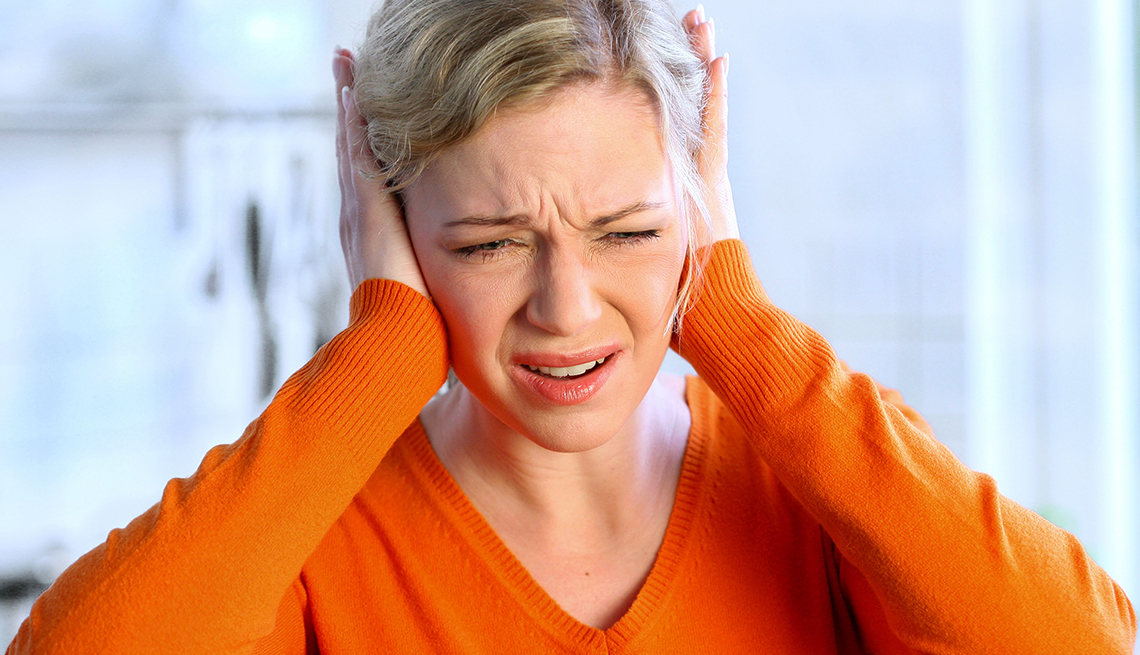
While ear wax is a completely natural defense mechanism for your ear canal, an overproduction or compaction of it can quickly disrupt your daily life. It can strain your hearing ability and, in worst-case scenarios, can cause sudden dizziness or physical discomfort.
Living in a bustling city like Toronto means your hearing needs to be sharp. Fortunately, professional relief is readily available right in your neighborhood, so you don’t have to suffer through the muffled silence.
In this guide, we will explain how to recognize the signs of impacted ear wax and when professional removal may be appropriate. Explore hearing clinics across the Greater Toronto Area (GTA) that provide ear wax assessment and removal services.
What Is Ear Wax and Why It Builds Up
Cerumen, commonly known as ear wax, is part of the ear’s built-in cleaning and protection system. It acts as a natural barrier, helping prevent unwanted particles from reaching deeper parts of the ear while maintaining a healthy ear canal environment. In most cases, the ear is self-cleaning, and wax naturally moves outward over time.
However, problems can happen when wax production increases or when it does not clear properly. This can lead to buildup in the ear canal. The following factors can increase the likelihood of excess wax accumulation:
- Narrow ear canals
- Frequent use of earbuds or hearing aids
- Skin conditions
- Genetics
When this happens, it can harden and become difficult to remove without assistance. Similarly, attempting a DIY fix at home can push wax deeper into the ear canal, potentially increasing the risk of irritation or injury.
Blocked Ear Wax Symptoms You Should Not Ignore
Studies have found that ear wax blockages are common and may contribute to temporary hearing difficulties.
Blocked ear wax does not always cause pain, but it can still significantly affect hearing and comfort. One of the most common signs of hearing loss is a feeling of fullness or pressure inside the ear, almost like something is “plugging” it.
Other symptoms include:
- Muffled or reduced hearing
- Difficulty understanding speech
- Itching inside the ear
- Occasional ringing sounds (tinnitus)
Some people may also feel slight dizziness or imbalance when wax buildup becomes more severe.
These symptoms are often mistaken for other ear or hearing conditions. This is why it is important not to self-diagnose too quickly, especially when hearing changes are noticeable or persistent.
Earwax Buildup and Hearing Loss
Earwax buildup can directly affect how sound travels through the ear canal. When wax blocks the passage, sound waves cannot reach the eardrum properly, which can result in temporary hearing reduction.
Hearing difficulties caused by ear wax blockage often improve after the blockage is removed. However, many people confuse wax-related hearing loss with permanent hearing decline, which can lead to unnecessary concern.
In some cases, untreated buildup can mask underlying hearing conditions. This makes proper evaluation important, especially if hearing changes persist even after cleaning attempts. This is also where professional assessment and services, like a hearing test after wax removal can help determine whether hearing has improved post-blockage removal.
How to Remove Ear Wax Safely
When it comes to ear cleaning, safety matters more than speed. The ear canal is delicate, and improper cleaning can make the problem worse.
At home, the general approach is to avoid inserting objects into the ear. The ear is designed to clean itself naturally, and forcing tools inside often disrupts this process.
Some over-the-counter softening drops may help loosen mild buildup, but they are not always effective for impacted wax. If symptoms persist or worsen, professional evaluation is the safest next step.
It is especially important to avoid aggressive cleaning methods, as these can push wax deeper or irritate the ear canal.
What to Expect During an Ear Wax Removal Appointment
Professional earwax removal is a straightforward clinical procedure designed to safely clear blockages without damaging the ear canal.
Ear examination
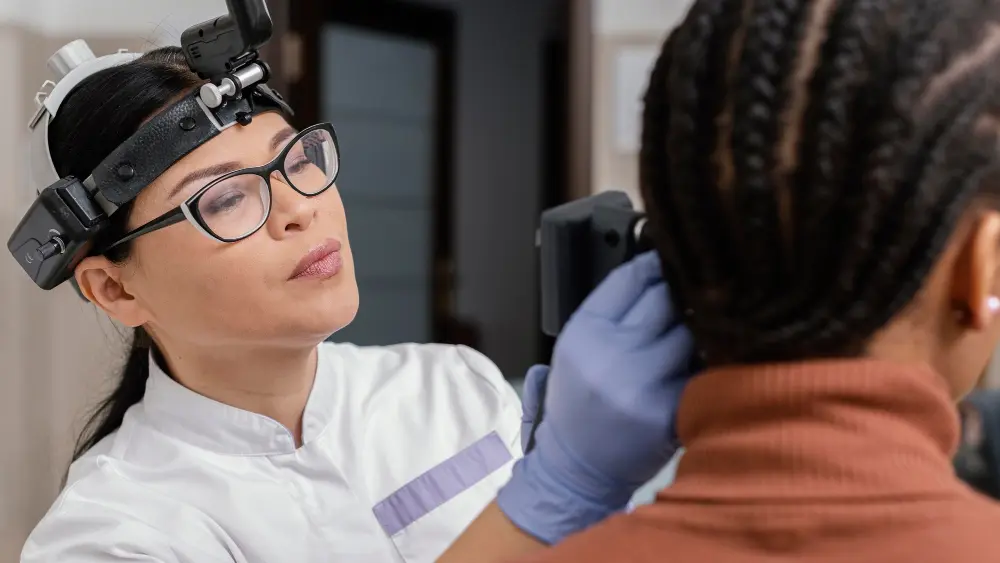
The appointment begins with a visual examination of the ear using specialized tools. This allows the clinician to confirm whether wax buildup is present and assess its severity.
Confirmation of blockage
Not all ear discomfort is caused by wax, so the provider first confirms whether removal is necessary or if another condition may be involved.
Removal procedure
If wax is present, it is removed using safe clinical methods such as microsuction or gentle extraction tools. The method used depends on the type and location of the blockage.
Post-removal check
After removal, the ear is examined again to ensure the canal is clear and no residue remains.
Comfort and safety considerations
The procedure is generally well tolerated. Most patients experience little to no discomfort, and safety is prioritized throughout the process to avoid damage to the ear canal or eardrum.
Time required for procedure
Most appointments are relatively quick, often completed within 15 to 30 minutes, depending on the severity of the buildup.
Immediate improvement in hearing for some patients
Many people notice an immediate improvement in hearing clarity once the blockage is removed, especially if the wax buildup was significant.
For patients seeking help, professional care through services like our ear wax removal service is designed to provide safe removal and assessment of ear health.
When Should You Get Your Ears Checked?
You should consider getting your ears checked if you experience persistent fullness, reduced hearing, or discomfort that does not improve over time.
People who frequently use hearing aids, earbuds, or headphones may be more prone to wax buildup and may require periodic checks. Individuals with a history of impacted wax should also monitor symptoms more closely.
It is also important to seek evaluation if symptoms worsen suddenly or if you are unsure whether hearing changes are related to wax or another condition.
Professional Ear Wax Removal vs At-Home Methods
At-home ear cleaning methods are often limited in effectiveness and can sometimes cause more harm than benefit if done incorrectly.
Professional ear wax removal is performed using specialized equipment and direct visualization, which helps reduce the risk of pushing wax deeper into the ear canal.
In contrast, at-home methods often rely on guesswork and can miss impacted wax entirely. While gentle surface cleaning is usually fine, deeper blockages require clinical care.
For ongoing ear health, professional evaluation is the most reliable option, especially when symptoms persist or worsen over time.
Common Questions People Ask About Ear Care
Many people have questions about earwax and ear hygiene, especially when symptoms first appear. Common concerns include:
- How often should the ears be cleaned?
- Is earwax harmful?
- Is earwax removal painful?
- Are cotton swabs bad for ears?
A common misconception is that ears need frequent deep cleaning. In reality, most ears do not require regular intervention unless symptoms develop.
Another frequent question is whether earwax buildup can return. The answer is yes—some people naturally produce more wax than others, which means periodic management may be necessary.
For more detailed answers, patients can refer to common questions about ear care to better understand what is normal and when to seek help.
Final Thoughts
A sudden change in hearing can be concerning, but it does not always point to a permanent hearing problem. Impacted ear wax is one possible cause of muffled hearing or a feeling of fullness in the ear. Knowing when to have your ears assessed can help identify the cause and determine the most appropriate next step.