
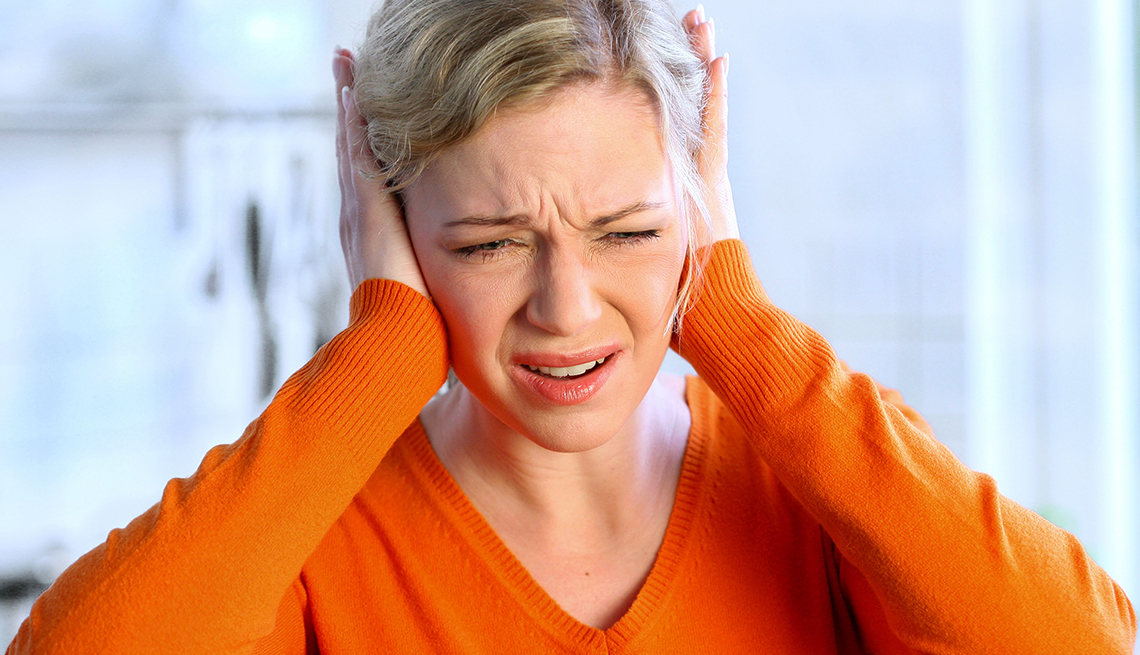

Hearing an unexpected crackling sound in your ear may stop you in your tracks. It may show up while you’re swallowing, after a cold, or during a flight when air pressure changes. Some people experience it with muffled hearing, ear pain, or a popping sensation that seems to have no clear cause. These ear symptoms often signal that something may be going on inside the ear canal or middle ear.
In this guide, we’ll discover where this “crackling” noise in the ear originates, what it feels like, and how to address it. We also provide tips to prevent and manage the symptoms for better ear health. However, this guide is meant for general educational purposes and should not be taken as medical advice.
What Do Crackling Sensations in Your Ear Feel Like?
People often describe crackling in the ear as a soft rustle, crackle, pop, or even a “Rice Krispies” sound coming from inside the ear. It can feel like a soft, intermittent noise, like crumpling paper. Along with the noise, there may be a feeling of pressure, as if something is blocking or obstructing the ear canal. Some experience itchiness, mild pain, or general discomfort around the ear.
Hearing changes are also common; a sense of fullness, muffled hearing, or even brief episodes of hearing loss can occur, especially if fluid, ear wax, or pressure changes are involved. A popping sound when swallowing or yawning in one or both ears may come with other symptoms such as tinnitus sounds or even jaw pain.
Some notice the sensation only when chewing gum or moving their jaw muscles, while others feel it constantly. The intensity can range from mildly annoying to disruptive if linked to an ear disorder or inner ear problem.
Common Causes of Crackling in the Ear
Recent medical literature indicates that a crackling sound in the ear can stem from various underlying issues, most commonly Eustachian tube dysfunction and impacted earwax. Other potential causes include middle ear infections, jaw joint disorders, and specific types of tinnitus.
We’ll break them down below.
Earwax Buildup
Impacted earwax (cerumen impaction) in the outer ear canal can lead to crackling noises or muffled hearing. When wax traps air or rubs against the eardrum, you may notice popping or crackling sounds.
Eustachian Tube Dysfunction
The eustachian tubes connect the middle ear to the upper throat and equalize air pressure. If these tubes are blocked by excess mucus, allergies, or the common cold, you may feel built-up ear pressure, muffled hearing, and crackling in the ear. Swallowing, yawning, or chewing gum may help open the tubes temporarily.
Acute Otitis Media (Middle Ear Infection)
A middle ear infection (acute otitis media) often causes ear pain, sore throat, fever, and a crackling or popping sensation. This bacterial infection inflames the middle ear space and may produce fluid behind the eardrum. Children may sometimes need ear tubes to help drain fluid and equalize pressure; in some cases adults may need tubes as well. Adults with recurrent infections should review their medical history with a healthcare professional to avoid complications like hearing loss.
Rapid Changes in Air Pressure
Flying, diving, or driving through mountains can cause sudden ear pressure shifts. The eardrum stretches to adjust, creating popping or crackling sounds. Swallowing, yawning, or gentle pressure-equalizing maneuvers often help. Persistent pain or muffled hearing after travel may need medical evaluation.
Tinnitus
Tinnitus can present as ringing, clicking, or crackling noises inside the ear. It’s a symptom, not a disease, and may stem from hearing loss, ear infections, or TMJ issues. Learn more about what it sounds like here.
Fluid in the Ear Canal
Water left in the ear canal after swimming or showering may create a temporary crackling sound as it moves against the eardrum in certain cases. Fluid trapped behind the eardrum (common after a cold or allergies) may also contribute to an increase in ear pressure, it may cause muffled hearing, and trigger crackling until it drains naturally or with treatment.
Less Common Reasons for Crackling in the Ear
Sometimes ear crackling is linked to conditions outside the ear itself. These issues are less frequent but worth considering if common causes have been ruled out.
Allergies, Sinus Issues, and Crackling in Your Ear
Seasonal allergies or sinus infections can lead to fluid buildup and blocked eustachian tubes. These changes produce popping or crackling sensations and can intensify during flights or rapid shifts in air pressure. Managing allergies under a healthcare professional’s guidance may reduce fluid buildup and ease symptoms.
Jaw or TMJ Problems and Ear Crackling
Disorders of the temporomandibular joint (TMJ) can produce ear crackling because the jaw muscles lie close to the ear canal and middle ear. Chewing, clenching, or grinding can transmit vibrations that feel like ear crackling.
People with chronic jaw pain or post-surgical changes around the neck may also notice these sensations. A dentist or specialist can evaluate these disorders and suggest exercises or TMJ treatments to reduce strain.
Hearing Loss and Persistent Crackling Noise
Persistent crackling accompanied by tinnitus or hearing loss may indicate an inner ear disorder or rare conditions like middle ear myoclonus (tensor tympani muscle spasms). These muscle disorders can cause rhythmic crackling or fluttering. Loud noise exposure or a history of ear trauma can make these symptoms worse.
How to Address Crackling in the Ear
Crackling in the ear can stem from simple, temporary problems or from conditions that need medical attention. Knowing what you can manage at home and when to seek professional care helps protect your hearing and prevent complications.
Some people use home remedies for minor issues; however, a healthcare professional can advise on safety and suitability. Over-the-counter ear drops are available to soften earwax. A healthcare professional can advise on proper options for that, too. The most common tip is to avoid inserting cotton swabs into the ear canal, as this may push wax deeper or irritate the outer ear canal.
When to See a Healthcare Professional for Ear Crackling
Crackling in the ear that resolves quickly is usually harmless. But if the sound persists for more than a few days, or if it’s accompanied by severe pain, dizziness, fever, sore throat, or noticeable hearing loss, it’s time to see a qualified healthcare professional.
Physical Exam
An ENT (ear, nose, and throat specialist) or primary care provider can perform a physical exam of the outer ear canal, eardrum, and surrounding structures. They may use an otoscope to check for impacted earwax, fluid behind the eardrum, signs of ear infection, or movement of the eardrum during pressure changes. In some cases, additional hearing tests or tympanometry are ordered to measure how the middle ear responds to sound and pressure.
Ear Tubes
If repeated fluid buildup or recurrent middle ear infections are contributing to ear crackling, especially in children, a physician may recommend inserting ear tubes (also called tympanostomy tubes). These small tubes allow fluid to drain from the middle ear and help equalize pressure. They are placed during a short procedure and typically fall out on their own after several months.
Hearing Aids
When crackling occurs along with permanent hearing loss or tinnitus, a hearing aid evaluation may be recommended. Some hearing aids include features designed to reduce the perception of tinnitus. An audiologist, such as one from Bloor Hearing Clinic, can explain which options are available, assess your hearing, and discuss whether hearing aids are for you.
Targeted Therapy
Depending on the diagnosis, targeted therapy may include prescription medication for bacterial infections, allergy management to reduce eustachian tube blockage, or exercises and splints for temporomandibular joint (TMJ) disorders.
In rare cases where muscle spasms such as middle ear myoclonus are responsible, specialists may recommend further testing or referral to manage muscle activity. Each treatment plan is tailored to the underlying cause and your medical history.
Tips for Better Ear Health
Protecting your ears reduces the risk of ear infections, tinnitus symptoms, and persistent crackling noises. Building healthy habits not only preserves your hearing but also makes it easier to manage minor problems before they become serious.
In the next sections, we’ll look at preventive steps you can take every day and maintenance habits that keep your ears functioning well over time.
Prevention
Taking simple steps can lower your chance of developing ear problems:
Limit exposure to loud noises by using earplugs or earmuffs at concerts, job sites, or when using power tools.
Treat allergies promptly to reduce excess mucus and blocked eustachian tubes.
Avoid inserting objects such as cotton swabs into the ear canal to prevent injury and wax impaction.
Keep your ears dry after swimming or bathing by gently drying the outer ear and tilting your head to drain water.
Get recommended vaccinations (such as flu shots) that can reduce the risk of ear infections linked to respiratory illnesses.
Equalize pressure during flights or altitude changes by yawning, swallowing, or chewing gum.
Maintenance
Regular care helps keep your ears healthy and functioning well:
Schedule periodic hearing checks with an audiologist to monitor changes over time.
Use ear drops only as directed by a healthcare professional to safely soften earwax.
Update your medical history with your physician so underlying conditions (allergies, TMJ disorders, sinus issues) are managed.
Check and clean hearing aids or earphones according to the manufacturer’s guidelines to avoid irritation or infection.
Seek prompt medical care if you experience persistent ear pain, muffled hearing, dizziness, or discharge.
These habits make it less likely you’ll experience ongoing ear crackling or other disruptive symptoms and help preserve your hearing in the long term.
Conclusion
Crackling in the ear is a signal worth paying attention to rather than ignoring. Treat your ears gently, avoid self-cleaning methods that push wax deeper, and act promptly when severe symptoms persist. These steps may prevent minor issues from turning into lasting problems. If you’re unsure about what’s causing the noise or you notice changes in hearing, a professional evaluation helps. Small, consistent habits and timely care go a long way in keeping your hearing clear and comfortable.